Flight critical mechanisms
Nickel alloys, stainless strip and titanium families are reviewed for heat exposure, fatigue concerns, clean documentation and repeatable processing routes.

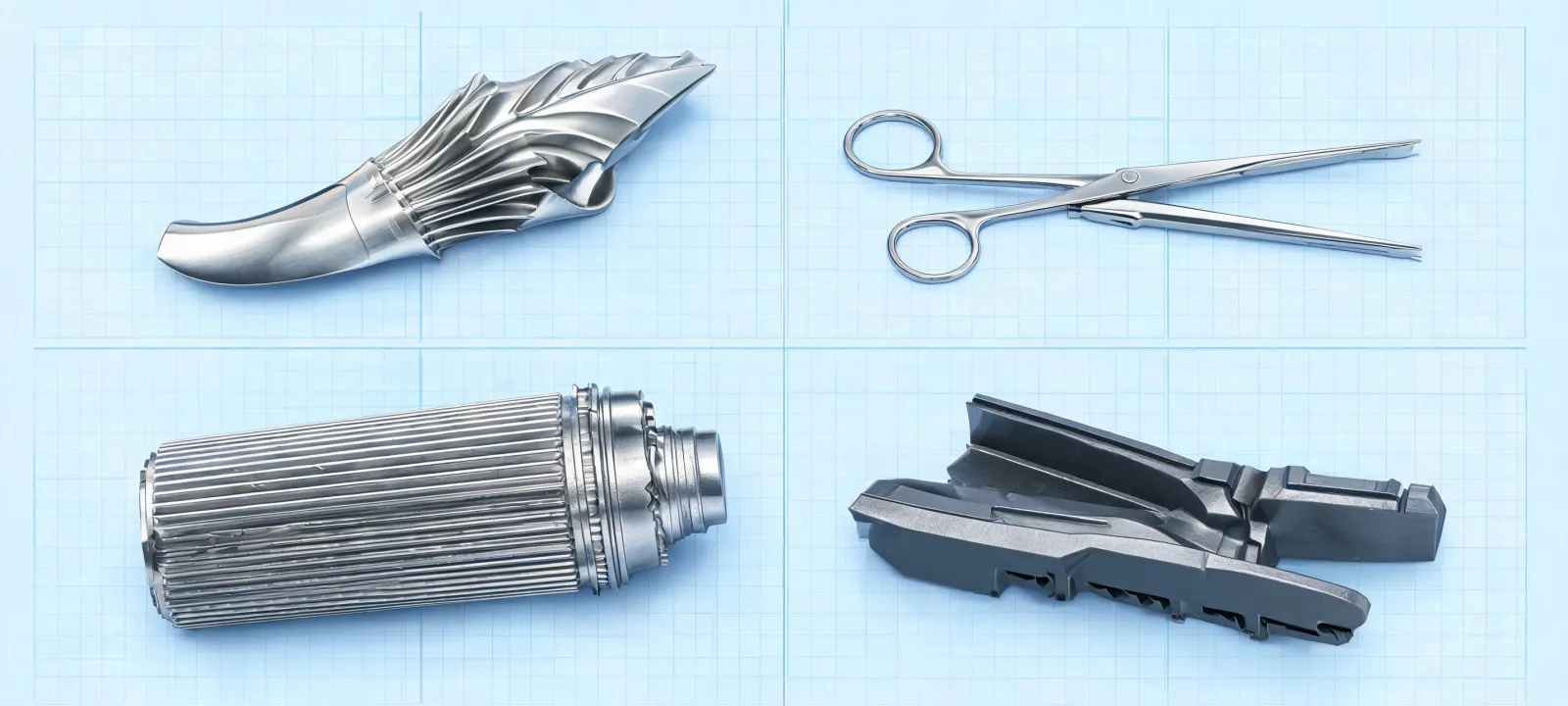
Vertical Engineering
Different sectors use similar metal names but ask very different questions about cleanliness, traceability, strength retention, corrosion behavior and production release evidence.
Applications
Nickel alloys, stainless strip and titanium families are reviewed for heat exposure, fatigue concerns, clean documentation and repeatable processing routes.
Corrosion resistance, surface finish, edge stability and lot history shape stainless and specialty alloy decisions for regulated production cells.
Refractory metals, high alloy stainless and nickel families are screened against thermal load, chemical attack and maintenance intervals.
Tool steel, stainless and high strength alloys are tied to specification control, traceability expectations and controlled substitution review.
The same alloy family can behave like a different material when it enters another market. Aerospace programs often care about specification lineage, heat identity and documented processing. Medical applications demand surface condition, cleanliness and corrosion performance that can be repeated through validated manufacturing steps. Energy equipment may expose metal to heat, pressure, chlorides or wear patterns that make an ordinary data sheet insufficient. Defense programs frequently add drawing discipline, approved source expectations and tighter controls around substitution. Sandvik organizes industry content around these differences so the visitor can see where material selection intersects with the rules of the market, not just the name of the metal.
Grade Requirements
| Market | Common material concern | Sandvik support focus |
|---|---|---|
| Aerospace | Heat traceability, high temperature stability and qualified processing evidence. | Certificate planning, grade cross-reference and release documentation review. |
| Medical | Corrosion response, finish consistency, biocompatibility expectations and batch control. | Stainless family screening, surface condition notes and prototype documentation. |
| Energy | Thermal fatigue, creep behavior, chloride exposure and abrasive wear. | Nickel, stainless and refractory metal comparison against service environment. |
| Defense | Specification compliance, approved alternates and long-term repeatability. | Controlled substitution paths, lot reservation and inspection evidence. |
Qualification Questions
Alternate grades need property equivalence, available form review and documentation that satisfies the customer specification. Sandvik helps frame the comparison before a substitution is proposed.
Unknown corrosion chemistry or thermal cycling is treated as a risk item. The recommendation can include testing or a narrower grade family instead of an overconfident answer.
Prototype material should carry enough identity to support later production release. Heat numbers, certificates and processing notes prevent the first sample from becoming an orphan.
Tungsten, molybdenum and related materials become candidates when density, temperature or electrode duty outweighs easier machining or lower cost families.
Application Review
Send the market, specification language, service environment and property targets. The answer can focus on the certification and validation path as much as the product name.