
Research and Materials Discipline
Sandvik Built Around Metallurgical Evidence
Sandvik presents alloy supply as an engineering discipline: material history, controlled processing, laboratory review and practical collaboration with teams that cannot accept vague substitutions.
Our role is to connect grade selection, processing route and documentation into one material decision that engineers can defend.
The Sandvik site is written for buyers who recognize that metals and alloys behave differently after forming, machining, heat exposure and service corrosion. The organization described here is intentionally technical: a supplier that values clear grade language, measured properties and disciplined handoff between laboratory, production and customer quality teams. Instead of treating stainless steel, tool steel and refractory metals as interchangeable stock lines, Sandvik presents them as engineered inputs that require context. A medical instrument maker may care about edge stability and corrosion resistance. An energy equipment team may prioritize heat strength and documented chemistry. A tooling group may focus on wear, hardenability and dimensional control after heat treatment. Each discussion starts from that application logic.
Facilities
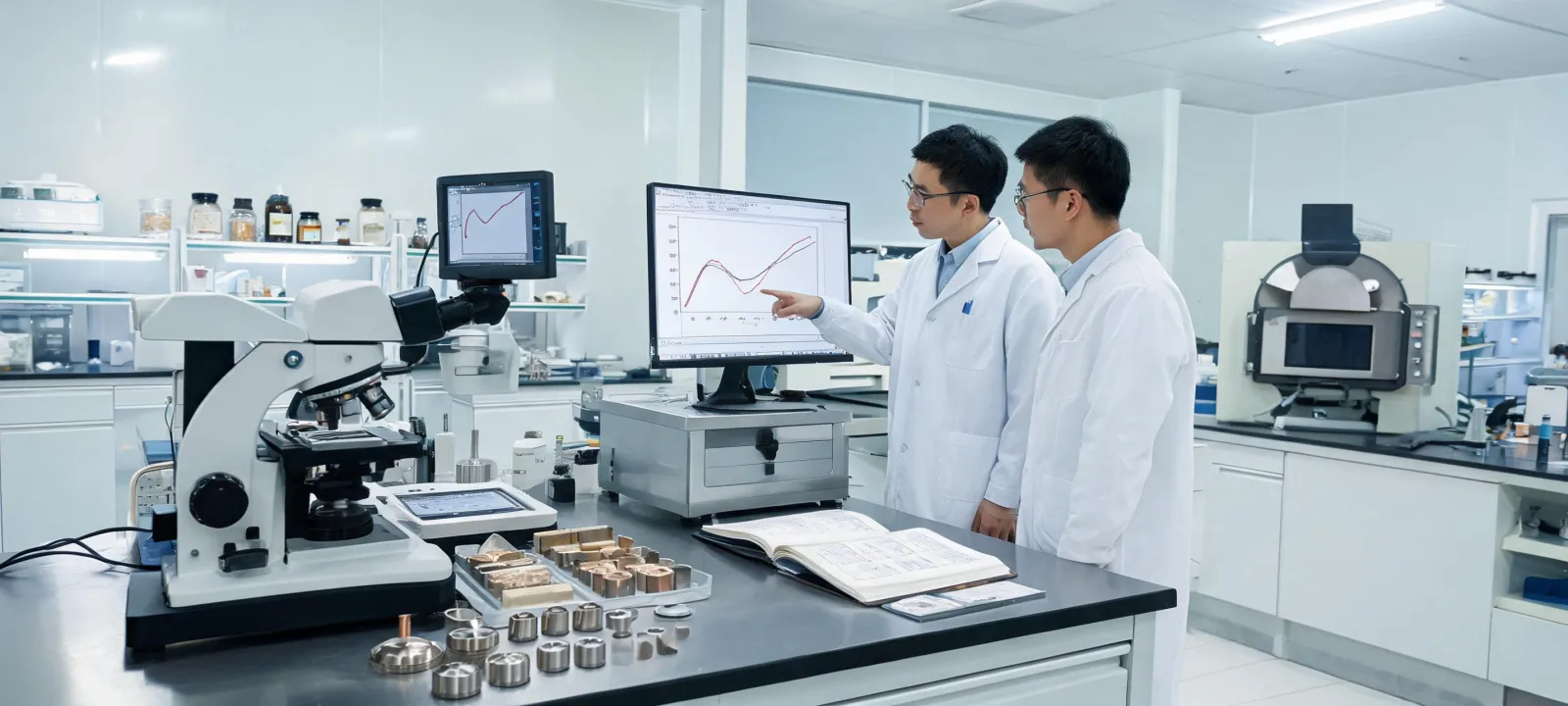
Laboratory thinking applied to commercial supply

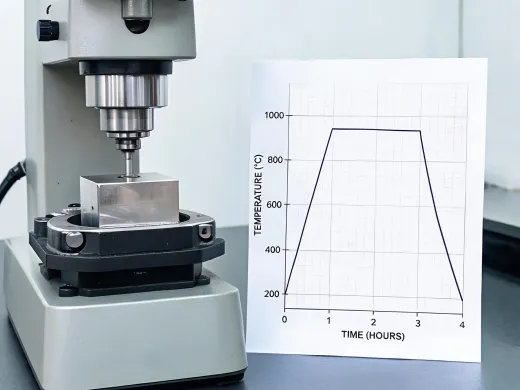
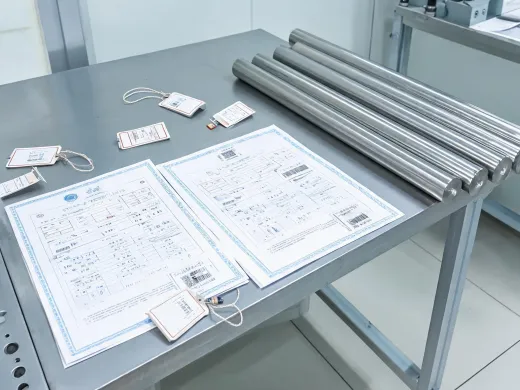
A research-oriented supplier does not need every conversation to become a long laboratory project. It does need a consistent way to translate test evidence into practical supply decisions. Sandvik uses the language of property windows, surface condition, lot identity and process control because those are the details that decide whether a material will pass customer approval. We emphasize facilities and expertise without turning them into decoration: inspection benches, sample coupons, microscopes, heat treatment records and controlled stock areas. Those scenes show that Sandvik is built around authority and precision rather than retail convenience.
Technical Notes
Reference material for engineering and quality teams
These references are framed for teams that must explain decisions internally. The purchasing lead needs a grade and size. The engineer needs the reason behind that grade. The quality manager needs documents that match the drawing and customer requirements. By presenting technical notes as part of the brand story, Sandvik signals that its work continues after a product name is selected. The organization supports early screening, prototype preparation, production continuity and future substitutions when supply or duty conditions change. That approach makes the about page more than a history statement; it becomes a statement of operating method.
Discuss the material evidence behind your next approval
Bring the duty cycle, drawing notes and preferred grade family. Sandvik can help organize the technical path before purchasing begins.
Talk to a Materials Team